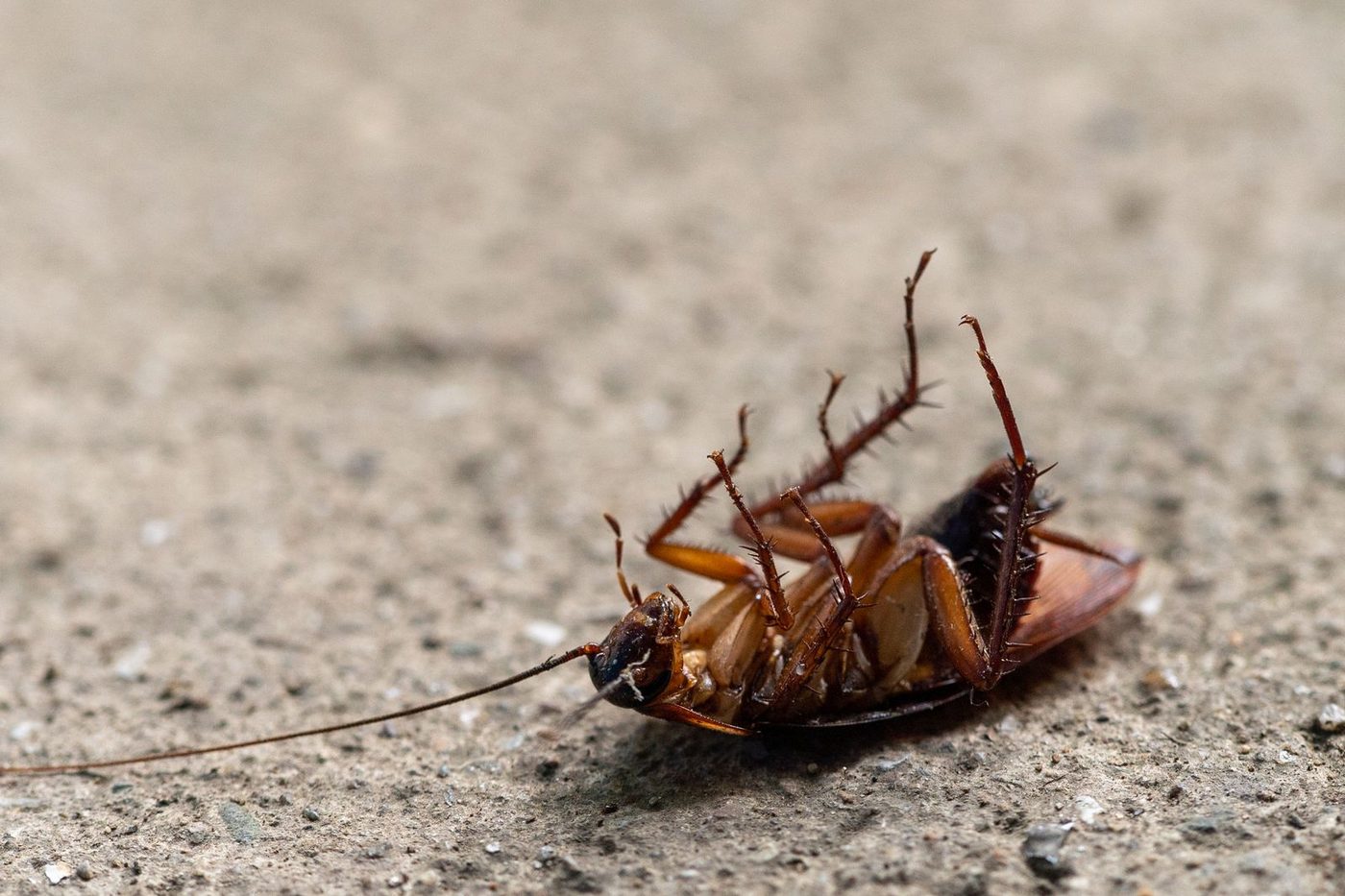
German cockroach extermination in Phoenix is its own job, separate from the big sewer roaches that push in from the drains and yard. The German cockroach is the small tan roach with two dark stripes that lives indoors and never leaves: kitchens, bathrooms, and any warm, tight crack near food and water. It is the most common indoor roach in Phoenix homes and apartments, and it is the one that becomes a full infestation, because a single female and her offspring can produce hundreds of roaches in a few months. Air conditioning keeps Valley kitchens comfortable and roaches breeding year round, and the area's dense apartments and multifamily buildings, from Tempe and central Phoenix out to Mesa and Glendale, let German roaches spread fast between units. Call and a local exterminator will treat it the way it actually has to be treated.
Why German roaches are so hard to get rid of
German roaches breed faster than any other house roach and they hide where a can of spray cannot reach: inside the dishwasher, the fridge motor, the microwave panel, cabinet hinges, and the voids behind the backsplash. Worse, they have widespread resistance to the pyrethroid insecticides in over-the-counter sprays. Spraying a German roach population does two harmful things: it kills the few you see while the rest scatter deeper into the walls and into neighboring rooms or units, and it teaches the survivors to avoid treated surfaces.
In an apartment or duplex the problem compounds. German roaches travel through shared wall voids, plumbing chases, and electrical runs, so a unit that gets treated in isolation gets reinfested from next door. That is why a single-room fix rarely holds in Phoenix multifamily housing, and why the cool, watered interior of a desert kitchen is exactly the microclimate they want.
The treatment that actually works
The professional approach is gel bait plus insect growth regulators, not spray. Gel bait is placed precisely in the cracks and voids where the roaches harbor. The roaches eat it, return to the harborage, and the effect carries through the population. Insect growth regulators (IGRs) stop the juveniles from maturing and breeding, which breaks the cycle that makes German roaches explode. Crack-and-crevice treatment and, where needed, a HEPA vacuum of heavy harborage round it out.
Sanitation is part of the treatment, not an afterthought. German roaches need water and food residue, so the exterminator will point out the drips, the grease behind the stove, the pet food left out, and the cardboard clutter that feeds them. In shared buildings, the pro checks the whole space and, where possible, coordinates on adjacent units, because treating one apartment while the roaches stream back from the next one is wasted effort.
Follow-up and prevention
German roach control is a program, not a single visit. Egg cases (oothecae) are protected and survive the first treatment, so a follow-up visit a couple of weeks later catches the roaches that hatch afterward. Skipping the follow-up is the most common reason a German roach job fails. Keep the appointments and the population collapses instead of rebounding.
After the roaches are gone, prevention is about denying water and hitchhiking routes: fix leaks, wipe the sink dry at night, run exhaust fans, store food sealed, break down and remove cardboard boxes quickly, and inspect secondhand appliances and furniture before bringing them in, since that is how German roaches arrive in the first place.