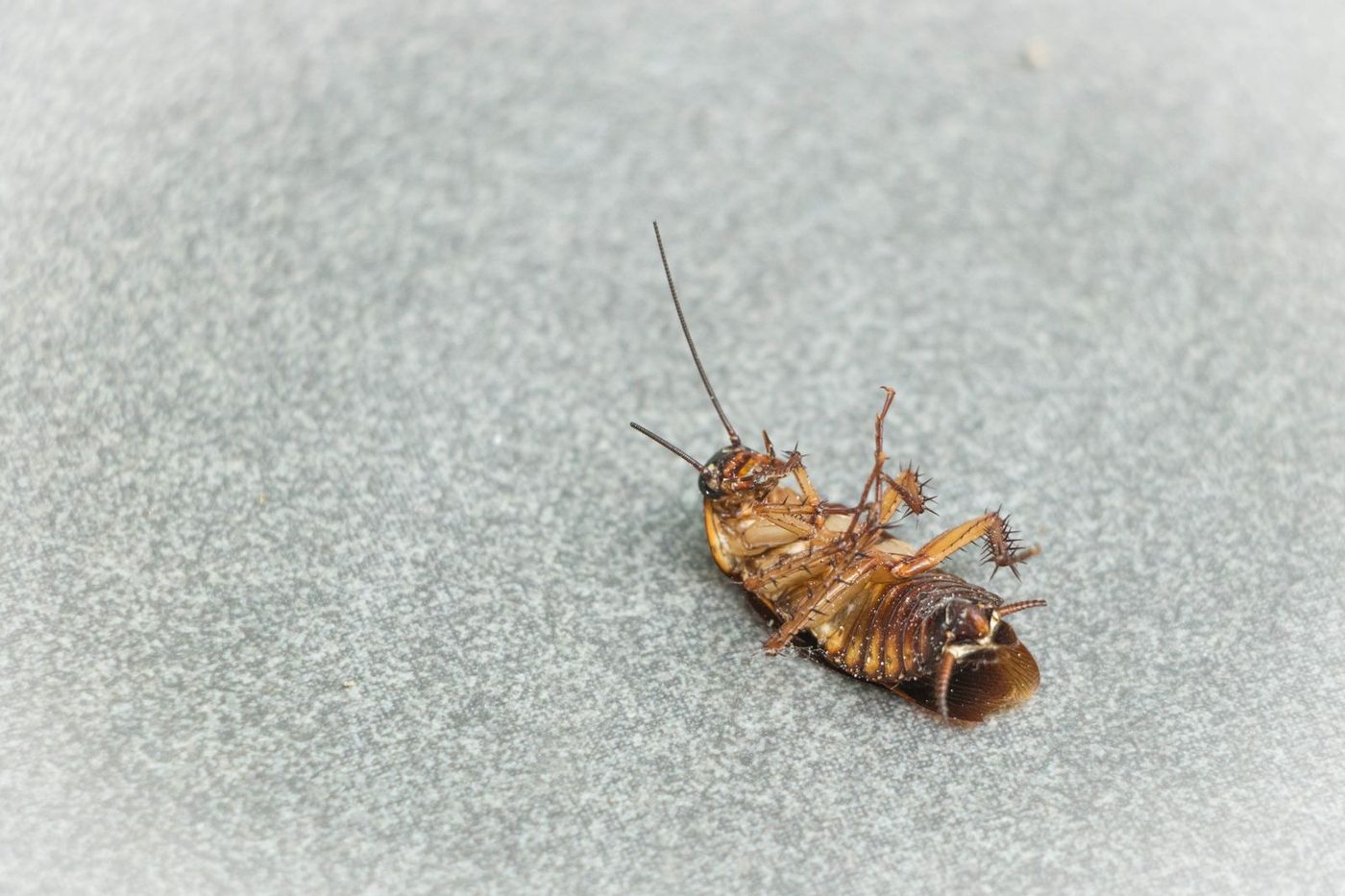
A residential cockroach exterminator in Phoenix is fighting more than one roach, and the desert works against you in ways people do not expect. In most Phoenix homes there are two problems at once: German cockroaches breeding indoors around the kitchen and bathrooms, and the big outdoor roaches, American "sewer roaches," Turkestan roaches, and Oriental roaches, pushing in from the sewers, the floor drains, the block walls, and the irrigation boxes. Extreme summer heat drives roaches toward the coolest, wettest place around, which is the inside of your house, and monsoon season from mid-June through late September floods their outdoor harborage and sends them straight indoors. Call the number on this page and you reach an experienced local exterminator who treats the whole house, inside and out, instead of spraying one baseboard and hoping.
The roaches a Phoenix house actually gets
The one everyone knows is the American cockroach, the big reddish roach that Phoenix calls the "sewer roach" or water bug, and yes, it can fly. It lives outdoors and comes in, traveling up from the sanitary and storm sewers, out of floor drains, and in from the alleys and clean-outs behind most Phoenix homes on hot nights. The Oriental roach (another dark "water bug," the one that gives off a strong odor) hugs floor drains and damp block voids, and the Turkestan roach, the rusty-red one that has taken over Valley yards, breeds in block-wall voids and water-meter and irrigation boxes, then slips in under doors and through the slab.
German cockroaches are the opposite, and the more serious infestation. Small, tan, with two dark stripes, they live indoors and never leave: kitchens, bathrooms, and any warm, tight crack near food and water. They rarely come from outside. They ride in on groceries, boxes, and secondhand appliances, then multiply fast. Brown-banded roaches turn up high in warm, dry rooms, and Surinam roaches burrow in irrigated landscape beds and potted plants. A real fix has to handle both the indoor breeders and the outdoor invaders, because they get in completely different ways.
How the treatment works
It starts with an inspection to identify which roaches are actually present, because a sewer-roach problem and a German-roach problem call for different work. For German roaches indoors, the reliable approach is gel bait placed in the cracks and voids where they harbor, insect growth regulators (IGRs) that stop the next generation from breeding, and crack-and-crevice treatment around the kitchen and baths, paired with sanitation guidance. Over-the-counter spray actually makes German roaches worse: it scatters them into wall voids and adjacent rooms without touching the population.
For the outdoor roaches, the work moves to the perimeter: treating entry points, weep holes, the foundation and slab line, floor drains, and the harborage in block walls, irrigation boxes, and mulch beds. In the desert, water is the whole game, so the pro also flags drips, irrigation overspray, pool equipment, and the door sweeps and garage gaps that let sewer roaches walk right in. Heavy infestations usually take two to three visits over a couple of weeks to break the cycle.
What to expect after the first visit
You may see a short spike in activity in the first day or two as bait and treatment flush roaches out of hiding. That is normal and it means the treatment is reaching them. After that, activity drops. German roach jobs need the follow-up visits to catch the eggs that hatch after the first treatment, so keep the appointments the exterminator sets.
Between visits, the desert basics help most: fix drips and slow leaks, keep counters and the sink clear at night, take out food trash, run bathroom fans, and pull mulch, irrigation boxes, and stored items back from the foundation. Sewer roaches and Turkestans are chasing water and shelter, so cutting off the drains, the block-wall gaps, and the standing water is a big part of keeping them from coming back.